
Dental Implants in Boulder, CO
Dental Implants in Boulder, CO
Missing even one tooth can change how you eat, speak, and feel about your smile, and the longer a gap goes untreated, the more it can affect your jawbone and the health of the teeth around it. Many people put off addressing tooth loss because they assume the only options are removable dentures or bridges that rely on neighboring teeth for support.
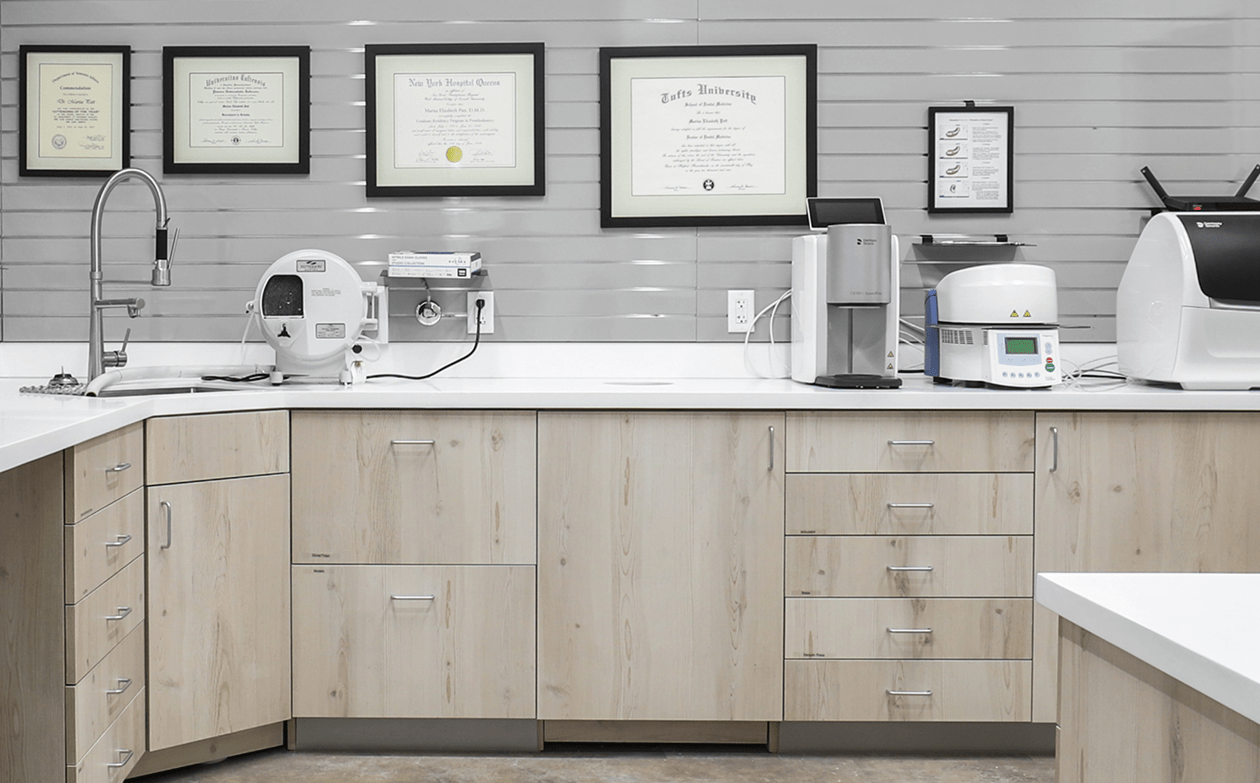
At BOCO Dental & Prosthodontics, we offer dental implant restorations as a permanent, natural looking solution for patients in Boulder who are missing one or more teeth. Dr. Marisa Patt completed a prosthodontic residency at New York Hospital in Queens, giving her focused, advanced training in exactly this kind of restorative and reconstructive dental work.
A small imperfection doesn’t have to keep you from loving your smile. At BOCO Dental & Prosthodontics in Boulder, CO, Dr. Marisa Patt offers cosmetic bonding—a quick, affordable way to repair chips, close gaps, and reshape uneven teeth. Also known as tooth bonding, this minimally invasive procedure uses advanced, tooth-colored composite material to restore natural shape and symmetry without removing healthy enamel. Each restoration is artistically sculpted and shade-matched to blend seamlessly with your smile, creating beautiful, natural-looking results in just one visit. Whether you want to fix a chipped tooth or refresh your smile’s appearance, cosmetic bonding provides instant improvement with lasting confidence.
Why Tooth Loss Deserves Prompt Attention
Tooth loss is more common than many people realize. According to the National Institute of Dental and Craniofacial Research, tooth decay affects 90% of adults aged 20 to 64, and gum disease affects almost half of adults aged 45 to 64, making these two of the most common oral health conditions in the country. When a tooth is lost and not replaced, the jawbone in that area no longer receives the stimulation it needs, and over time it may begin to shrink.
This bone loss can affect the fit of nearby teeth, change the shape of your face, and make future restorative work more complicated. We want you to know timely treatment can help prevent these downstream effects. Replacing a missing tooth with an implant supports the jawbone the way a natural tooth root would, which is one of the reasons we recommend addressing tooth loss sooner rather than later.
Many patients also notice changes beyond the bite itself. A missing tooth can shift the way you chew, which sometimes puts extra strain on the teeth and jaw joints that pick up the slack. Over time, this can affect your comfort when eating and may even influence how confident you feel when smiling or speaking in front of others.
How Dental Implants Work
A dental implant is a small titanium post that we place directly into the jawbone, where it functions as an artificial tooth root. Once the implant has integrated with the bone, we attach a custom crown, bridge, or denture on top, depending on how many teeth you need to replace. Because the implant anchors into the bone itself, it does not rely on surrounding teeth for support the way a traditional bridge does.
For patients missing several or all of their teeth in an arch, we also offer All-on-4 implant treatment, which uses four strategically placed implants to support a full arch of replacement teeth in a single procedure. We may also recommend implant supported dentures for patients who want the stability of implants combined with the coverage of a full denture.
Who May Be a Candidate
Good candidates for dental implants generally have enough healthy jawbone to support the implant post, along with gums free of active disease. If bone density is a concern, we can often discuss options to help build up the area before placement.
Every treatment plan starts with a thorough evaluation of your bone structure, bite, and overall oral health so we can recommend the option that fits your specific situation. We take the time to walk through the benefits and considerations of each approach so you feel informed before moving forward.
What to Expect During Treatment
Getting dental implants generally happens in stages, starting with a consultation where we review your dental and medical history, take detailed images of your jaw, and discuss your goals. Depending on your needs, we may also recommend general dentistry care first, such as treating any active decay or gum disease, so your mouth is in the best possible condition before implant placement.
Once your treatment plan is set, we place the implant post and allow time for it to integrate with the surrounding bone. After healing, we attach your custom restoration, matched to the color and shape of your natural teeth for a result that looks and functions like the rest of your smile.
Dr. Patt uses advanced technology throughout this process to plan implant placement with precision, which may help support a smoother recovery and a more predictable outcome. We also monitor healing closely at each stage, so any adjustments to your plan can be made early rather than after your final restoration is placed. Our goal throughout treatment is to keep you comfortable and informed, particularly if you have felt anxious about dental work in the past.
Restoring Your Smile With BOCO Dental & Prosthodontics
Dr. Patt brings specialized prosthodontic training and more than a decade of experience to every implant case she treats, and she and our team are committed to helping you feel comfortable at every step, especially if dental anxiety has kept you from seeking treatment in the past. We take the time to walk you through your options so you can make an informed decision about replacing your missing teeth.
If you are ready to explore dental implants in Boulder, we encourage you to contact our office to schedule a consultation with Dr. Patt. We will evaluate your smile and talk through the treatment path that may work best for your needs.

Cosmetic bonding can last for years with proper care and maintenance, such as routine dental visits and good oral hygiene. By keeping up with these practices and protecting your teeth from excessive wear, your bonding treatment will continue to look and function beautifully over time.

FAQs
About Cosmetic Bonding
Cosmetic bonding is a minimally invasive dental procedure where a tooth-colored composite resin is applied to teeth to improve their appearance. It can fix chips, close gaps, and cover spots of erosion or discoloration.
The procedure typically takes 1–2 hours, depending on the number of teeth being treated.
It is generally painless and doesn’t always require anesthesia. However, we can provide numbing if you feel more comfortable with it.
With proper care, it can last several years. Regular dental check-ups, good oral hygiene, and avoiding habits like teeth grinding can enhance its longevity.
This procedure is ideal for individuals with minor cosmetic concerns like small chips, gaps, or discoloration. During your consultation, Dr. Patt will determine if bonding is the right choice for your needs.
Avoid biting into hard objects like ice, pens, or hard candies, as they may damage the bonding material. For those who grind their teeth, using a nightguard is highly recommended.
Cosmetic bonding is less invasive and more cost-effective than veneers, but it’s best suited for minor issues. Veneers may be a better option for more extensive aesthetic improvements.
Yes! We carefully match the composite resin to the shade and translucency of your natural teeth, ensuring a seamless and natural appearance.
Maintain good oral hygiene by brushing and flossing daily. Regular dental visits are also crucial to keep your bonding looking its best and to check for any wear or damage.
Cosmetic bonding is ideal for minor damage. However, for more extensive issues like severe cracks or deep discoloration, other treatments like veneers or crowns may be necessary. Dr. Patt will provide recommendations based on your unique case.