
Dental Bridges in Boulder, CO
Dental Bridges in Boulder, CO
Losing even one tooth changes more than your smile. It shifts the way you chew, alters the pressure your remaining teeth absorb, and can quietly reshape your bite over months or years without you noticing until a bigger problem shows up. A gap left untreated often invites neighboring teeth to drift, which can compound the very issue you were hoping to avoid in the first place.
At BOCO Dental & Prosthodontics, we treat tooth loss as a structural question, not just a cosmetic one. Dr. Marisa Patt is a prosthodontist, meaning her training goes beyond general dentistry into the specific mechanics of restoring function, bite, and appearance after tooth loss. For patients across Boulder, Gunbarrel, and the surrounding area, that specialized lens is exactly what separates a bridge that lasts from one that needs to be redone.
A small imperfection doesn’t have to keep you from loving your smile. At BOCO Dental & Prosthodontics in Boulder, CO, Dr. Marisa Patt offers cosmetic bonding—a quick, affordable way to repair chips, close gaps, and reshape uneven teeth. Also known as tooth bonding, this minimally invasive procedure uses advanced, tooth-colored composite material to restore natural shape and symmetry without removing healthy enamel. Each restoration is artistically sculpted and shade-matched to blend seamlessly with your smile, creating beautiful, natural-looking results in just one visit. Whether you want to fix a chipped tooth or refresh your smile’s appearance, cosmetic bonding provides instant improvement with lasting confidence.
What a Dental Bridge Does
A dental bridge replaces one or more missing teeth by anchoring a replacement tooth, called a pontic, to the natural teeth or implants on either side of the gap. The result is a fixed restoration that does not come in and out like a partial denture, which many patients find more comfortable and more natural in daily use.
Bridges are often the right solution when a patient has healthy, stable teeth adjacent to the gap that can support the restoration. We evaluate every case individually, since the surrounding bone, gum health, and bite pattern all factor into whether a bridge, an implant, or another approach is the most durable long-term fit.
Why Untreated Tooth Loss Compounds Over Time
Tooth loss rarely stays isolated to a single spot in the mouth. Once a tooth is missing, the teeth beside and opposite it can shift out of position, which changes how force is distributed across your bite. That shift can accelerate wear on remaining teeth and, over time, make future restorative work more complex than it would have been if addressed earlier.
The data on this is not abstract. Among adults aged 65 and older, more than 1 in 7 have lost all of their teeth, and severe tooth loss at any stage has been shown to affect the ability to eat a balanced diet of meats, fruits, and vegetables, according to the CDC’s Tooth Loss Facts report. Since many of our patients are in this same age range, we see firsthand how much a single missing tooth can influence nutrition, comfort, and confidence when it goes unaddressed. CDC
How We Approach Bridge Placement
Every bridge we place is planned with the same full-mouth perspective we bring to our full-mouth reconstruction and implant restoration cases. We do not look at a single gap in isolation. Instead, we assess how the proposed bridge will interact with your existing bite, your jaw joint, and any other restorative work you may need now or in the future.
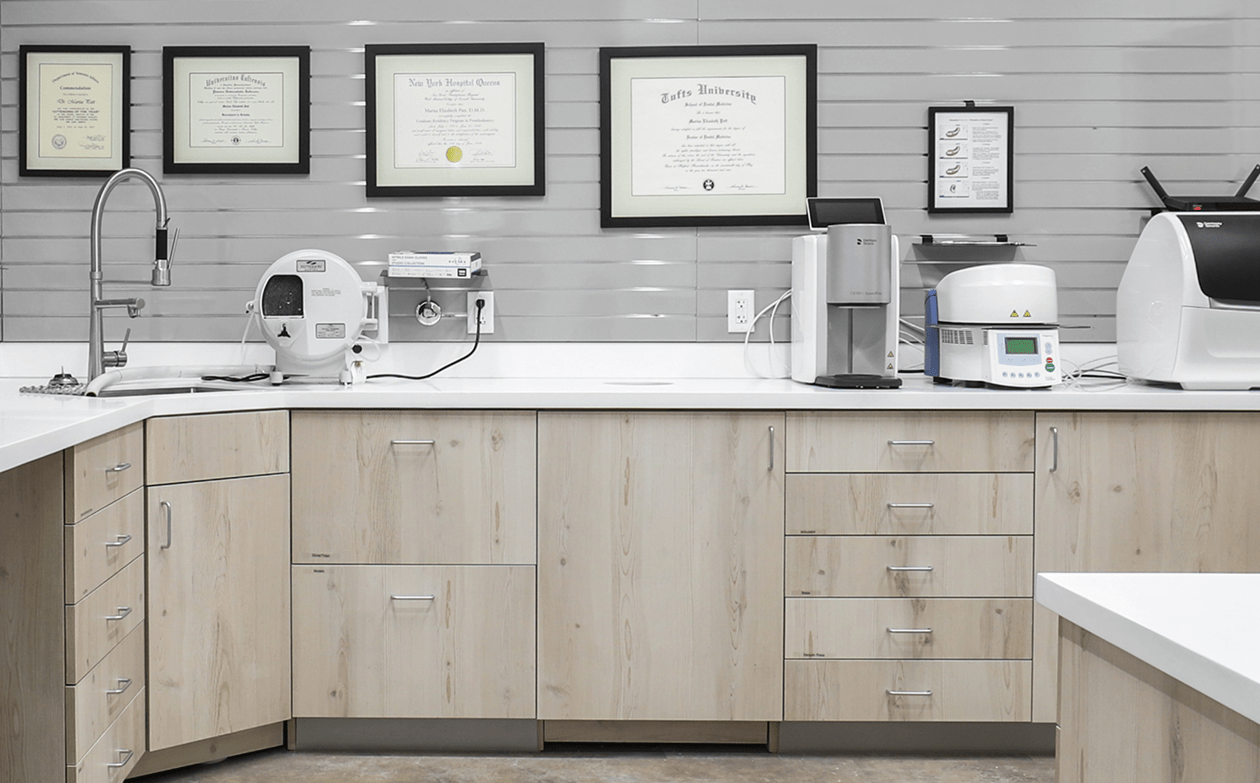
This matters because a bridge that is placed without that broader context can create new problems, such as uneven wear or bite strain, even if it looks correct on day one. Dr. Patt’s residency training in prosthodontics at New York Hospital – Queens focused specifically on this kind of case planning, which is part of why patients referred to us often come in after a general dentist has flagged a case as more complex than routine.
We also take a conservative view of when a bridge is the right call versus when an alternative makes more sense. For patients missing several teeth in a row, or for those whose adjacent teeth are not strong enough to support a bridge, we may recommend dentures or an implant-supported option instead. The goal is always the most durable outcome for your specific mouth, not a one-size answer applied to every case.
What to Expect During Treatment
Getting a bridge typically starts with a comprehensive evaluation, including imaging to assess the health of the supporting teeth and the bone beneath them. From there, we prepare the adjacent teeth, take precise measurements, and design a bridge that matches your natural bite and the shade of your surrounding teeth.
Because we also offer same-day CEREC crowns for related restorative needs, patients sometimes ask whether a bridge can be completed in a single visit as well. Bridges generally require more than one appointment since the restoration is custom fabricated to fit precisely between two supporting teeth, but we work to make the process as efficient and comfortable as possible from the first consultation through final placement.
Aftercare is straightforward. A well-placed bridge functions like your natural teeth for eating and speaking, and it requires the same daily brushing and flossing, along with routine checkups to monitor the health of the supporting teeth.
Restore Your Bite With BOCO Dental & Prosthodontics
Dr. Patt brings over a decade of advanced training in prosthodontics, including a residency at New York Hospital – Queens focused specifically on complex restorative and full-mouth cases. That background means your bridge is planned not just to fill a gap, but to support the long-term health of your bite. You can learn more about her training and the rest of our clinical team on our Meet the Team page.
If a missing tooth has been affecting how you eat, speak, or feel about your smile, we would welcome the opportunity to walk you through your options. Reach out through our contact page to schedule a consultation and find out whether a dental bridge is the right fit for your case.

Cosmetic bonding can last for years with proper care and maintenance, such as routine dental visits and good oral hygiene. By keeping up with these practices and protecting your teeth from excessive wear, your bonding treatment will continue to look and function beautifully over time.


FAQs
About Cosmetic Bonding
Cosmetic bonding is a minimally invasive dental procedure where a tooth-colored composite resin is applied to teeth to improve their appearance. It can fix chips, close gaps, and cover spots of erosion or discoloration.
The procedure typically takes 1–2 hours, depending on the number of teeth being treated.
It is generally painless and doesn’t always require anesthesia. However, we can provide numbing if you feel more comfortable with it.
With proper care, it can last several years. Regular dental check-ups, good oral hygiene, and avoiding habits like teeth grinding can enhance its longevity.
This procedure is ideal for individuals with minor cosmetic concerns like small chips, gaps, or discoloration. During your consultation, Dr. Patt will determine if bonding is the right choice for your needs.
Avoid biting into hard objects like ice, pens, or hard candies, as they may damage the bonding material. For those who grind their teeth, using a nightguard is highly recommended.
Cosmetic bonding is less invasive and more cost-effective than veneers, but it’s best suited for minor issues. Veneers may be a better option for more extensive aesthetic improvements.
Yes! We carefully match the composite resin to the shade and translucency of your natural teeth, ensuring a seamless and natural appearance.
Maintain good oral hygiene by brushing and flossing daily. Regular dental visits are also crucial to keep your bonding looking its best and to check for any wear or damage.
Cosmetic bonding is ideal for minor damage. However, for more extensive issues like severe cracks or deep discoloration, other treatments like veneers or crowns may be necessary. Dr. Patt will provide recommendations based on your unique case.