
Full Mouth Reconstruction in Boulder, CO
Full Mouth Reconstruction in Boulder, CO
Living with widespread tooth damage, chronic pain, or a smile that no longer functions the way it should can affect nearly every part of daily life. Eating comfortably, speaking clearly, and even feeling confident in social settings become daily challenges when multiple teeth are broken, missing, or worn beyond repair, and many people put off treatment because they assume a fix this extensive means months of disruption or a result that still won’t feel natural.
At BOCO Dental & Prosthodontics, full mouth reconstruction is built around restoring both function and appearance in a coordinated treatment plan rather than a series of disconnected fixes, and this comprehensive approach to prosthodontic care reflects the advanced training behind every case Dr. Patt takes on.
A small imperfection doesn’t have to keep you from loving your smile. At BOCO Dental & Prosthodontics in Boulder, CO, Dr. Marisa Patt offers cosmetic bonding—a quick, affordable way to repair chips, close gaps, and reshape uneven teeth. Also known as tooth bonding, this minimally invasive procedure uses advanced, tooth-colored composite material to restore natural shape and symmetry without removing healthy enamel. Each restoration is artistically sculpted and shade-matched to blend seamlessly with your smile, creating beautiful, natural-looking results in just one visit. Whether you want to fix a chipped tooth or refresh your smile’s appearance, cosmetic bonding provides instant improvement with lasting confidence.
Who Benefits from a Full Mouth Approach?
Patients who benefit most from full mouth reconstruction are usually dealing with more than one dental issue at the same time. This might include a mix of decayed teeth, missing teeth, worn enamel from years of grinding, or old restorations that have failed. Rather than treating each problem separately over multiple unrelated visits, a coordinated plan considers how each treatment affects the others, so the final bite feels balanced and comfortable.
Some of the restorative options that may be included in a full mouth reconstruction plan are:
- Dental implants to replace missing tooth roots and support crowns, bridges, or full arches
- Porcelain crowns to rebuild severely damaged or worn teeth
- Custom dentures for patients missing most or all of their natural teeth
- Bite correction to relieve strain on the jaw joint and surrounding muscles
Because every patient’s combination of needs is different, Dr. Patt maps out which of these elements apply before any treatment begins, ensuring the final plan addresses the actual cause of the damage rather than just the visible symptoms.
Why Planning and Precision Matter
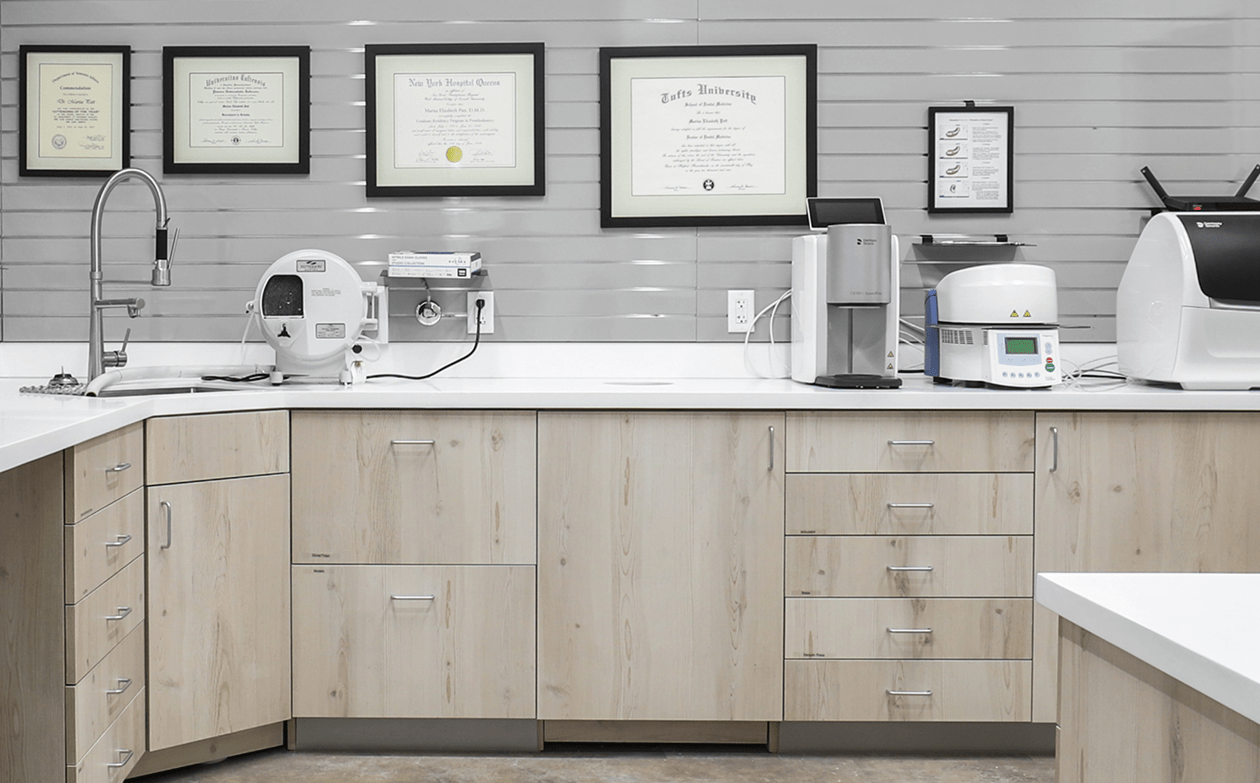
Full tooth loss remains far more common than many people realize, and according to the CDC, more than 1 in 7 adults aged 65 or older have lost all their teeth, which is part of why a thorough, whole-mouth evaluation matters so much before any restorative work begins. The complexity of full mouth reconstruction is exactly why prosthodontic specialization matters. Dr. Patt completed a dedicated prosthodontic residency at New York Hospital – Queens, training that focuses specifically on the restoration and replacement of teeth in complex cases. This background allows her to plan reconstructions with an understanding of how implants, crowns, and bite mechanics need to interact for the results to hold up long-term.
Technology plays a significant role in getting these details right. Digital scanning and same-day imaging allow Dr. Patt to plan restorations with a level of precision that reduces guesswork and shortens the number of visits needed, an approach detailed further on the practice’s advanced technology page. For patients whose reconstruction involves replacing an entire arch of teeth, treatments like All-on-4 implant dentures can provide a fixed, natural-feeling result anchored by a small number of strategically placed implants.
What to Expect During Your Treatment
Full mouth reconstruction typically unfolds over several phases rather than a single appointment. The process usually begins with a comprehensive exam, including imaging of the jaw and remaining teeth, followed by a discussion of which combination of treatments best fits the patient’s goals and budget. From there, any necessary preparatory work, such as gum treatment or tooth extractions, is completed before the restorative phase begins.
Patients dealing with jaw pain or bite misalignment as part of their case may also need coordinated care for TMJ disorder symptoms, since an unstable bite can undo the benefits of restorative work if it isn’t addressed first. Throughout treatment, Dr. Patt prioritizes a gentle, unhurried pace, particularly for patients who experience dental anxiety, so that even an extensive rebuild feels manageable one step at a time.
What Happens After Treatment Is Complete
Once a full mouth reconstruction is finished, protecting the results becomes just as important as the treatment itself. Patients are typically given specific guidance on caring for new crowns, implants, or dentures, since each restoration type has its own maintenance needs. Consistent brushing, flossing around implant restorations, and avoiding habits like teeth grinding all play a role in how long the reconstruction holds up over time.
Routine follow-up visits also give Dr. Patt the opportunity to monitor how the bite is settling and catch any small issues before they become bigger problems. Patients who stay on top of these visits tend to see their reconstruction perform well for many years, preserving both the function and the appearance the treatment was designed to restore.
Reconstruct Your Smile Starting Today with BOCO Dental & Prosthodontics
A full mouth reconstruction is one of the most significant investments a patient can make in their long-term oral health, and getting it right requires both specialized training and a genuine understanding of what each patient needs to feel confident again. Dr. Patt’s background in prosthodontics, paired with her comprehensive approach to diagnosis and treatment planning, means patients in Boulder receive a rebuild designed to function well for years, not just look good for photos.
Whether the plan involves implants, custom dentures, bite correction, or a combination of restorative treatments, BOCO Dental & Prosthodontics works to make the process as clear and comfortable as possible from the very first consultation. Patients ready to discuss their options can contact our office to schedule an evaluation and take the first step toward a fully restored smile.

Cosmetic bonding can last for years with proper care and maintenance, such as routine dental visits and good oral hygiene. By keeping up with these practices and protecting your teeth from excessive wear, your bonding treatment will continue to look and function beautifully over time.

FAQs
About Cosmetic Bonding
Cosmetic bonding is a minimally invasive dental procedure where a tooth-colored composite resin is applied to teeth to improve their appearance. It can fix chips, close gaps, and cover spots of erosion or discoloration.
The procedure typically takes 1–2 hours, depending on the number of teeth being treated.
It is generally painless and doesn’t always require anesthesia. However, we can provide numbing if you feel more comfortable with it.
With proper care, it can last several years. Regular dental check-ups, good oral hygiene, and avoiding habits like teeth grinding can enhance its longevity.
This procedure is ideal for individuals with minor cosmetic concerns like small chips, gaps, or discoloration. During your consultation, Dr. Patt will determine if bonding is the right choice for your needs.
Avoid biting into hard objects like ice, pens, or hard candies, as they may damage the bonding material. For those who grind their teeth, using a nightguard is highly recommended.
Cosmetic bonding is less invasive and more cost-effective than veneers, but it’s best suited for minor issues. Veneers may be a better option for more extensive aesthetic improvements.
Yes! We carefully match the composite resin to the shade and translucency of your natural teeth, ensuring a seamless and natural appearance.
Maintain good oral hygiene by brushing and flossing daily. Regular dental visits are also crucial to keep your bonding looking its best and to check for any wear or damage.
Cosmetic bonding is ideal for minor damage. However, for more extensive issues like severe cracks or deep discoloration, other treatments like veneers or crowns may be necessary. Dr. Patt will provide recommendations based on your unique case.